
When homeowners start planning an interior update, the first question that comes to mind is simple. How much would it cost to paint a house interior? You want clarity, not vague ranges. You want real numbers backed by real reasoning. The truth is that interior painting is one of the most valuable improvements you can make to your home because it refreshes living spaces, fixes years of wear, and boosts resale appeal. But the cost is influenced by specific variables that homeowners often overlook.
This blog breaks down every factor that shapes the final price. You will understand how painters evaluate your project, how materials influence cost, how prep work changes the estimate, and how professional labor affects both the price and the quality of the outcome. This is the type of knowledge that helps you make confident, informed decisions instead of guessing or relying on unclear quotes.
The Main Factors That Influence Interior Painting Costs
Interior painting is not calculated based only on square footage. Contractors evaluate your home through several layers. Each variable adds or reduces labor, materials, and the time it takes to complete the project. When you understand these factors, you get a clear picture of how much would it cost to paint a house interior in a realistic, practical way.
Size and Layout of the Home
Size is the first step in pricing. Painters calculate the square footage of the walls and ceilings, the number of rooms, and the layout of the home. A large house does not always cost the most. Sometimes smaller homes require more cutting, edging, and detail work because each room has trim, windows, and corners that take time.
Key details that influence price include
- Total square footage of surfaces to be painted.
- Room count and distribution.
- Ceiling height variations.
- Tight hallways or angles that need detailed work.
- Number of windows and doors.
- Open floor plans that require long stretches of prep and rolling.
Higher ceilings require extra equipment and more labor time. Homes with many doors and trim elements take more precision. These factors shape the baseline price before materials or prep work are even considered.
How Prep Work Shapes Your Total Price
Prep work is the foundation of every quality interior job. Homeowners often expect painters to walk in, open paint cans, and start rolling. But professional painters spend a considerable amount of time preparing surfaces so the final result is smooth, consistent, and long lasting. This is where the price can increase depending on the condition of your walls.
Prep tasks that raise or reduce cost
- Repairing drywall dents, nail pops, and cracks.
- Filling holes from old decor.
- Skim coating uneven walls.
- Sanding glossy or textured surfaces.
- Priming stains or previous repairs.
- Removing wallpaper or adhesive residue.
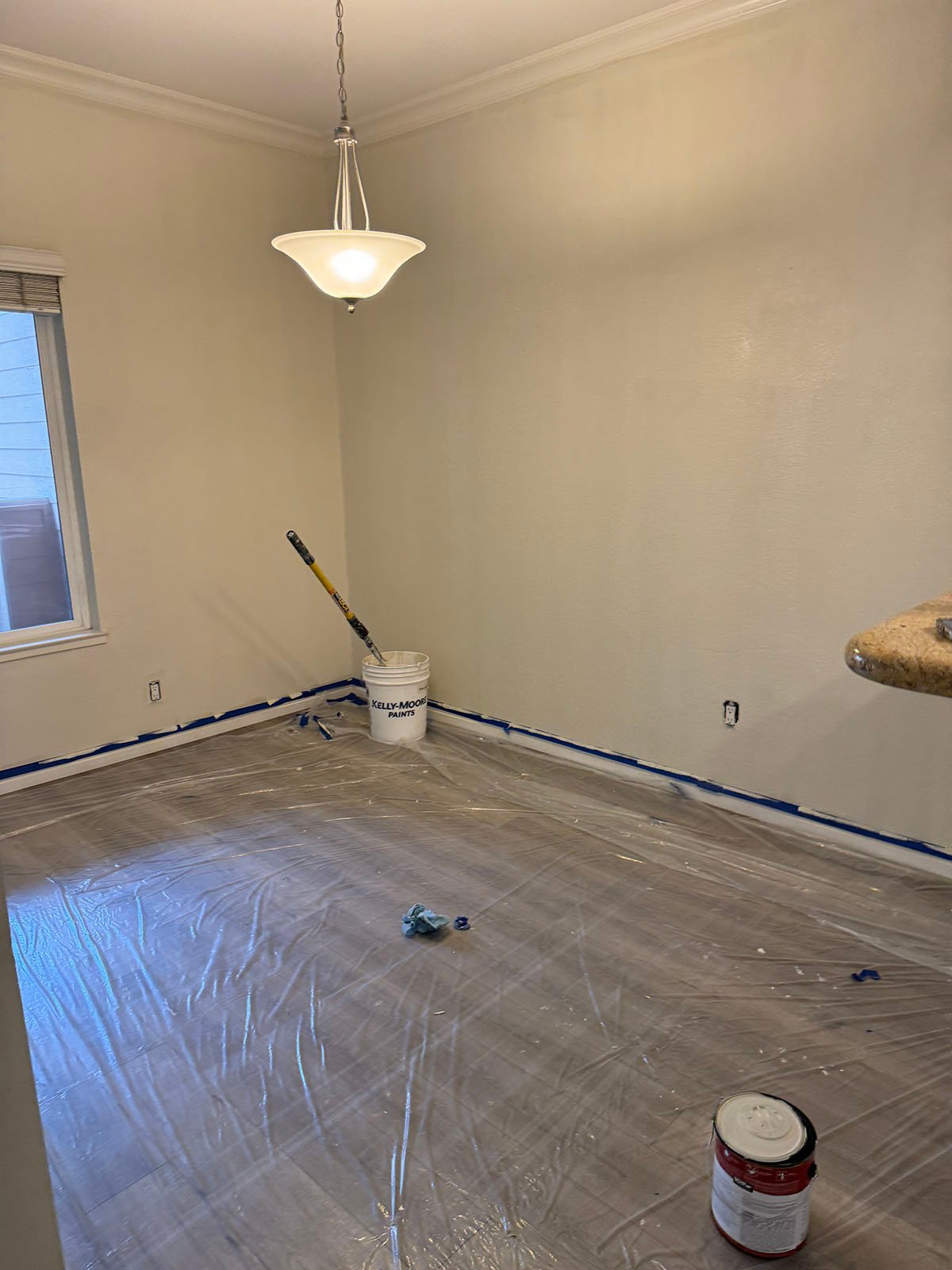
- Protecting floors, trim, and furniture.
- Repairing water damage or smoke stains.
If your walls are already in good condition, your cost drops. If the home has years of wear or if a heavy color needs to be covered, prep time increases. And prep time is labor cost. When you understand how much prep your home needs, you get a more accurate understanding of how much would it cost to paint a house interior without surprises.
How Paint Quality Impacts Your Budget
Homeowners sometimes look at two quotes and only compare the top number. But the real difference often comes from the products used. Cheaper paint might look fine on day one but can fade, stain, or peel faster. Higher quality paint delivers better coverage, longer durability, and easier cleaning.
How paint quality affects cost
- Premium brands last longer and stay brighter.
- High quality paint needs fewer coats.
- Better coverage reduces labor on future repaints.
- Washable formulas save time and money for families with kids or pets.
- Low VOC products create healthier indoor air.
- High humidity or high traffic spaces need upgraded coatings.
The paint sheen also changes the price. Matte and flat paints hide imperfections but are less washable. Satin and semi gloss are more durable but cost more. Professional painters also choose specific primers for stain blocking or adhesion, depending on your walls. These product decisions directly affect how much would it cost to paint a house interior in your situation.
Ready to Transform Your Space?
Don’t wait, your dream paint job is just a click away. Book your free estimate today!
Labor Costs and Professional Expertise
Labor is the largest part of any interior painting estimate. Skilled painters do more than apply color. They evaluate surfaces, plan the job carefully, and deliver a clean, sharp, long lasting finish. When you hire experienced professionals, you are buying both quality and consistency. This is where companies like RR PRO Painting bring significant value.
What professional painters deliver
- Clean, sharp edges.
- Smooth and even coverage.
- Proper prep and priming.
- Efficient timing between coats.
- Protected floors and furniture.
- Safe ladder and equipment handling.
- Cleanup that leaves your home spotless.
Experienced painters understand how light hits walls, how colors behave in different rooms, and how to create finishes that hold up over time. They know how to avoid streaks, lap marks, or uneven coverage. This level of work requires training and skill, and that expertise is reflected in labor pricing.
Typical Cost Ranges for Interior Painting
Many homeowners ask for an average price. And while every home is unique, there are typical ranges based on national data and contractor experience. These ranges give you a general idea before getting an in person estimate.
Common cost patterns homeowners should expect
In a smaller home with standard ceiling height and walls in good condition, the price stays on the lower end. In a larger home with tall ceilings, a lot of trim, or surfaces that need repair, the total cost rises. Homes with heavy stains or dark colors needing full priming also increase labor and materials.
Painters evaluate the project room by room, surface by surface, and detail by detail. Your final price reflects the total labor hours, prep required, materials chosen, and complexity of the job. A detailed estimate should always break down these items so you understand exactly what you are paying for. Companies like RR PRO Painting prioritize transparent pricing that explains why the cost is what it is instead of hiding behind a single number.
Extra Cost Factors Homeowners Often Overlook
Even when homeowners research how much would it cost to paint a house interior, a few cost factors often get missed. These elements can raise the price depending on the home.
Common add ons that influence pricing
- Painting crown molding or decorative trim.
- Painting baseboards, doors, and frames.
- Accent walls or specialty finishes.
- Applying multiple colors in one room.
- Painting closets or shelving.
- Repairing smoke or moisture damage.
- Removing or repairing textured walls.
These extras need precision and slow down the project. For example, painting doors is one of the most labor intensive tasks in an interior project. Accent walls require clean transitions. Decorative trim demands steady hands and detailed attention. When combined, these details add time and materials.
Understanding the Value Behind Your Investment
Interior painting is one of the most cost effective upgrades for any home. It increases property value, refreshes aging spaces, and provides a healthy indoor environment. A well done paint job lasts for years, protects your walls, and creates a polished, clean look. Beyond aesthetics, fresh paint improves mood, light reflection, and overall home comfort.
When you know how much would it cost to paint a house interior and you understand the reasoning behind it, you can make smart choices. Whether you choose premium paint or a basic finish, whether your home needs heavy prep or minimal touchups, the right understanding ensures that your investment pays off in quality, longevity, and satisfaction.